

Electric Vehicle Fire Blanket
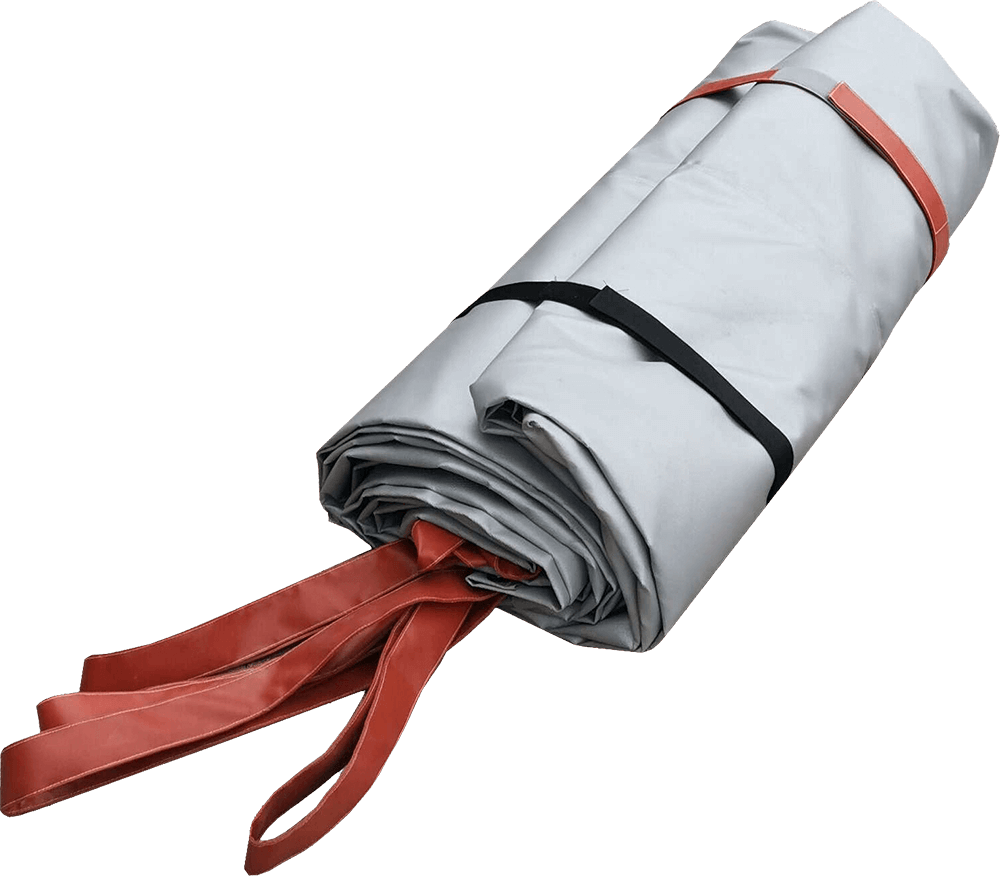
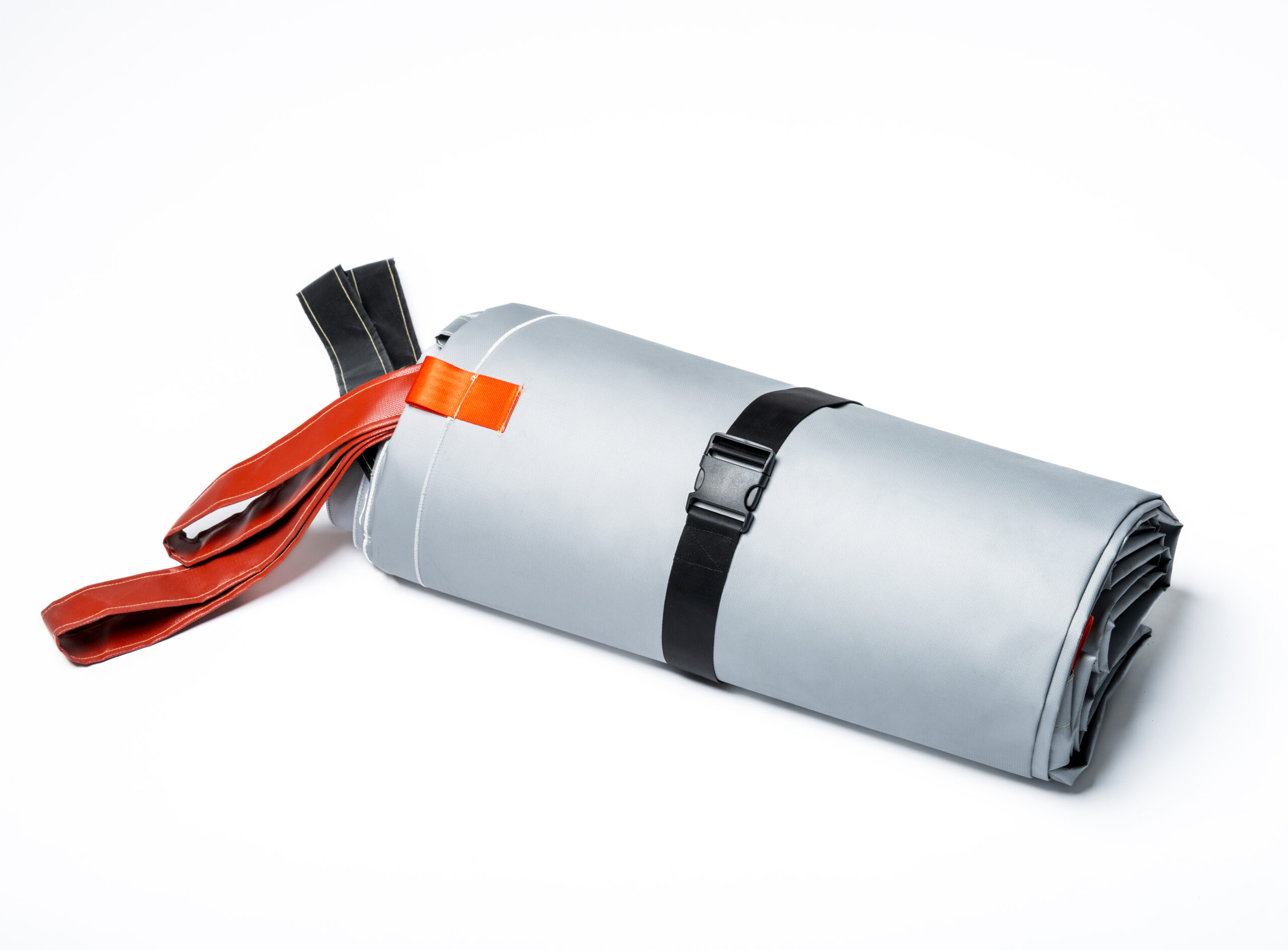
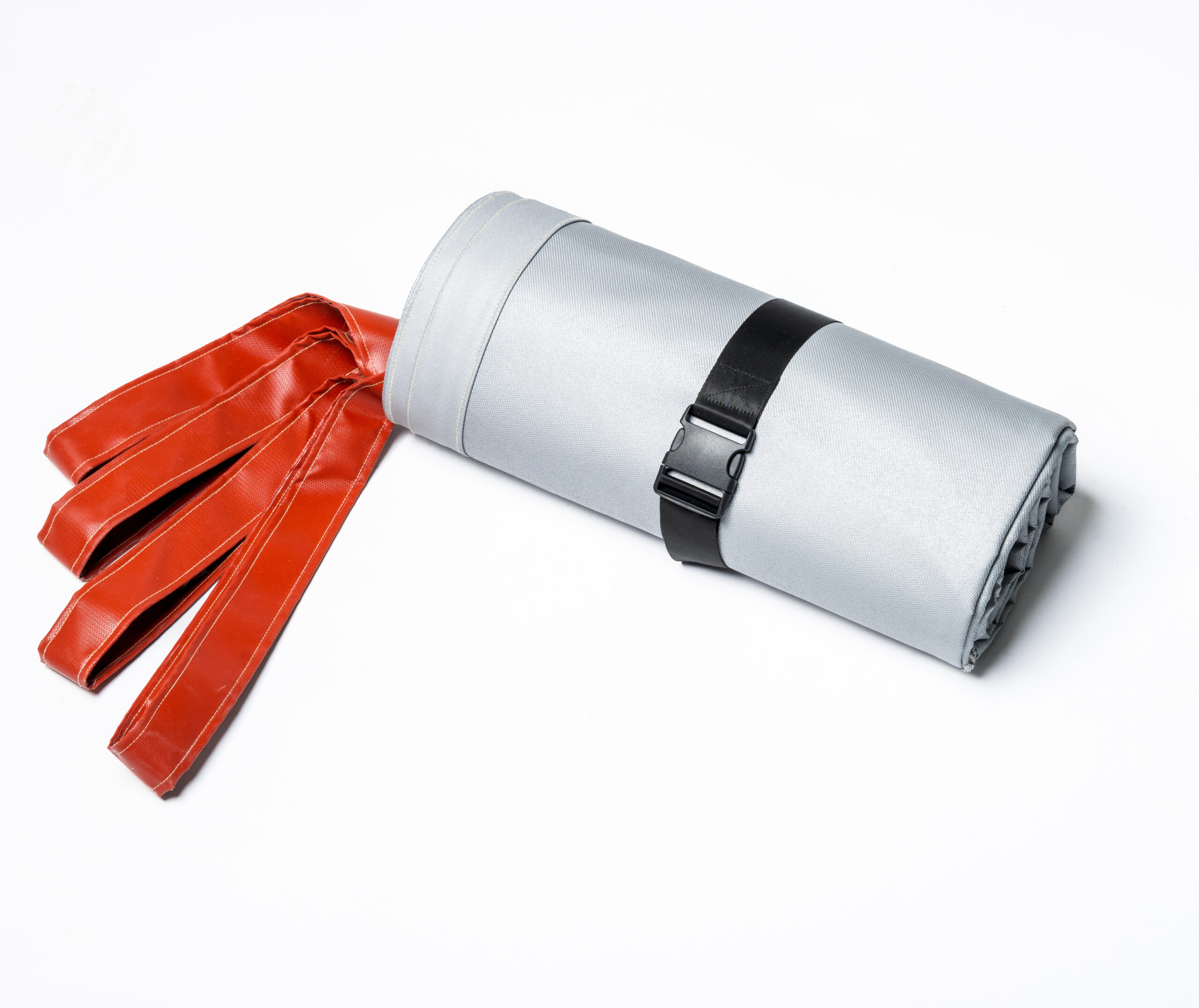
The EDI Electric Vehicle Fire Blanket is designed to help contain lithium-ion battery and vehicle fires by limiting the spread of flames, extreme heat, sparks, and hazardous debris while emergency responders manage the incident. Manufactured from durable, high-temperature-resistant fabric with a fire-resistant silicone coating, each blanket features reinforced seams, heavy-duty pull handles, and heat-resistant stitching for fast, controlled deployment. Three sizes are available for applications ranging from smaller battery incidents to standard and oversized electric vehicles.
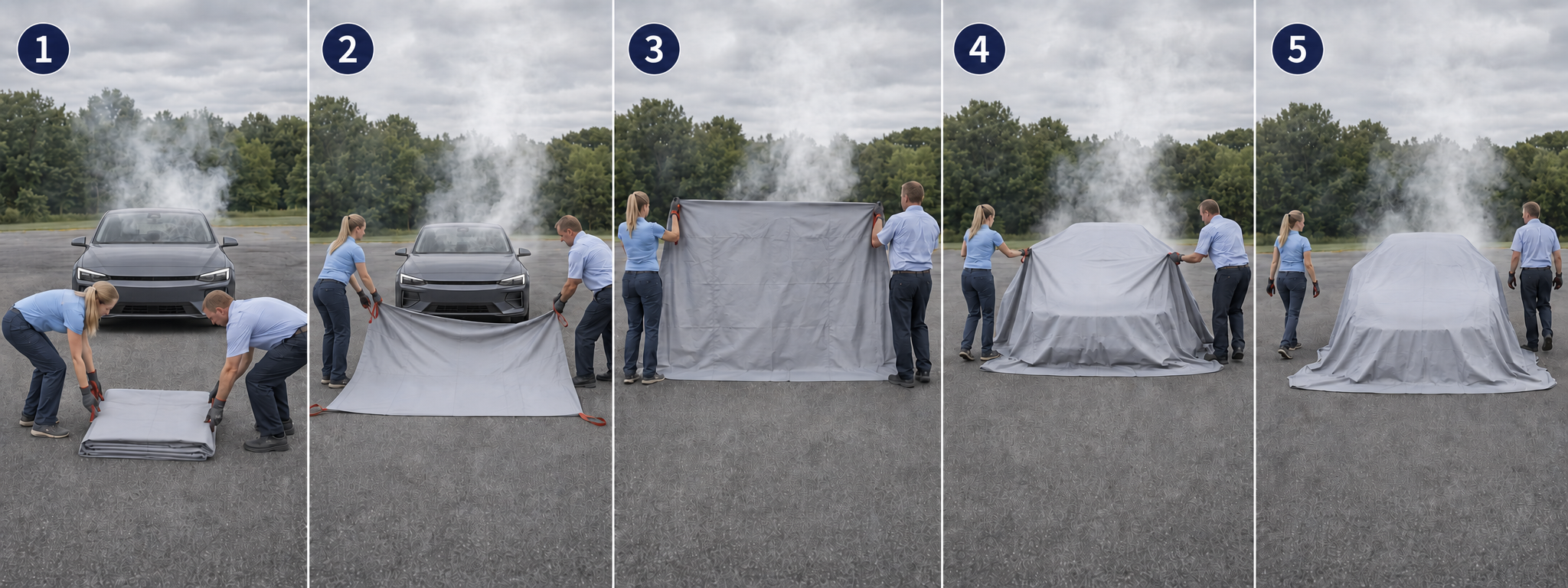
Electric and hybrid vehicle batteries can enter thermal runaway, causing temperatures to rise rapidly and creating a chain reaction between adjoining cells. Designed for two-person deployment, the EDI EV Fire Blanket helps restrict oxygen, contain flames and heat, and reduce the risk of fire spreading to nearby vehicles and property.
Available Sizes:
- 13 × 10 ft (4 × 3 m) – Lithium-ion batteries and equipment – 22.5 lbs
- 26 × 20 ft (8 × 6 m) – Standard electric vehicles – 61.2 lbs
- 40 × 30 ft (12 × 9 m) – Large and oversized electric vehicles – 72.8 lbs
Features:
- Fire-resistant silicone coating on both sides
- Heavy-duty, fire-resistant pull handles
- Triple-layer reinforced handle mounting points
- Red leading-edge handles for easy identification
- High-temperature-resistant stitching throughout
- Tear strength greater than 128 N
- Burst strength greater than 1,000 kPa
Fire-Resistance Testing:
Testing and certifications vary by size. The 8 × 6 m and 12 × 9 m blankets resisted temperatures of 1,000°C (1,832°F) for 90 minutes during BS 476-20/22:1987 furnace testing. Both models passed ASTM D6413/D6413M-22 vertical-flame testing and NFPA 701 flame-propagation testing and are certified to DIN SPEC 91489:2024-11 for electric-vehicle fire-limitation blankets.
Under ISO EN 13501-1:2018, the 8 × 6 m model is classified A2, s1, d0, while the 12 × 9 m model is classified B, s2, d0. The 4 × 3 m blanket’s base fabric withstands 1,000°C when unstressed and has a melting point above 1,600°C.