
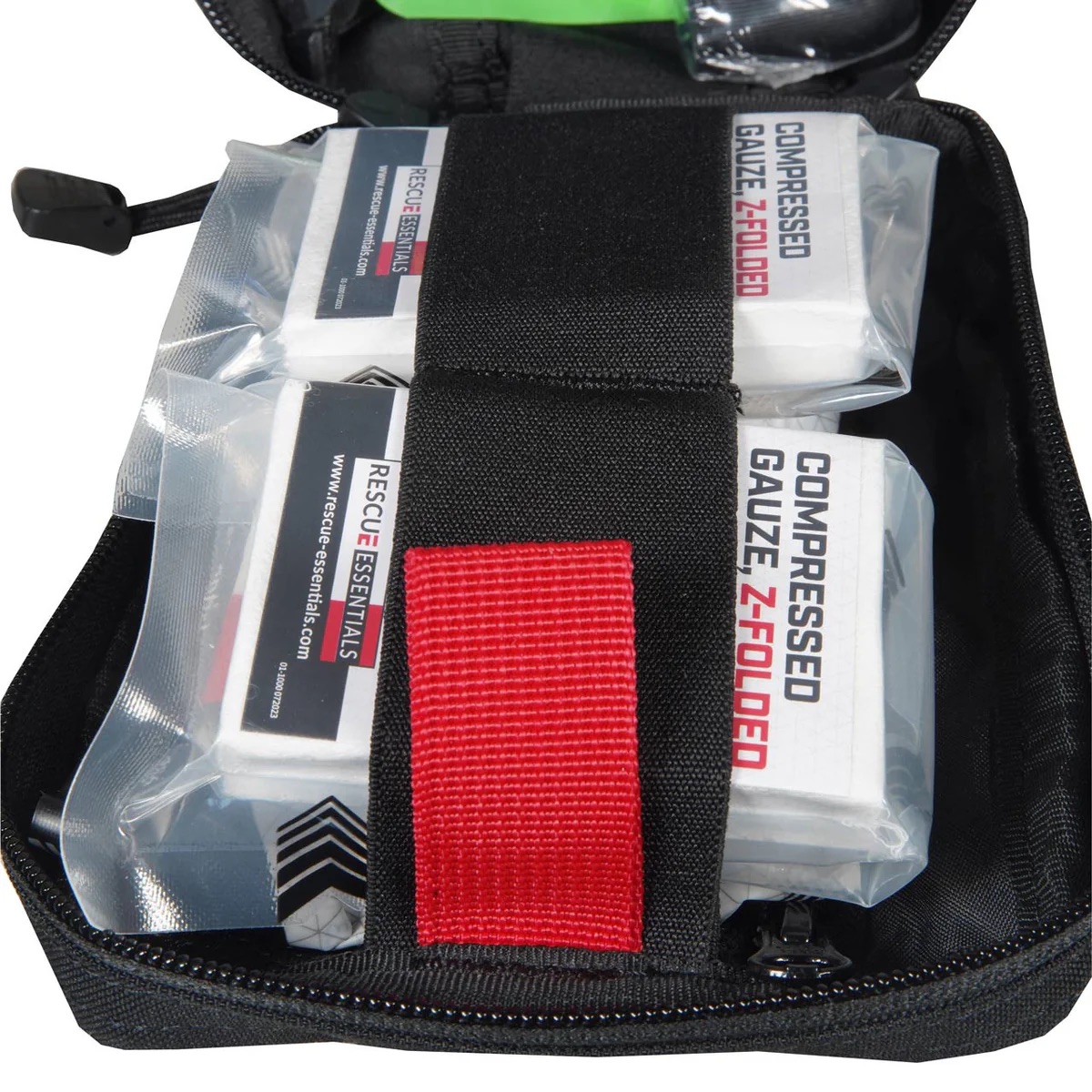
MARCH TCCC IFA Kit
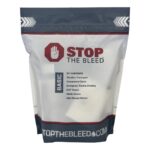
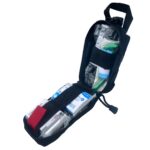
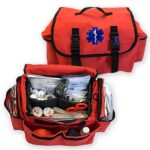
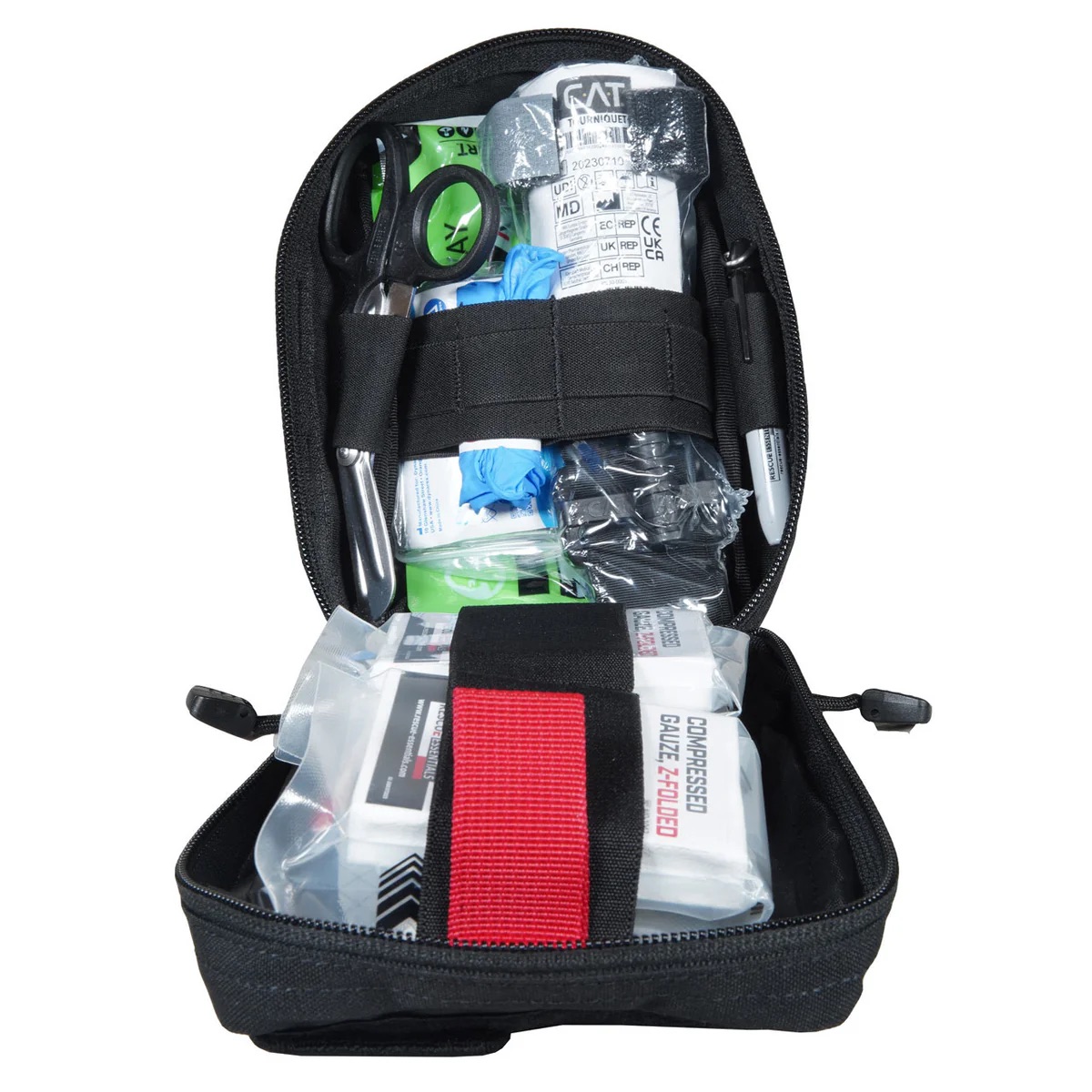
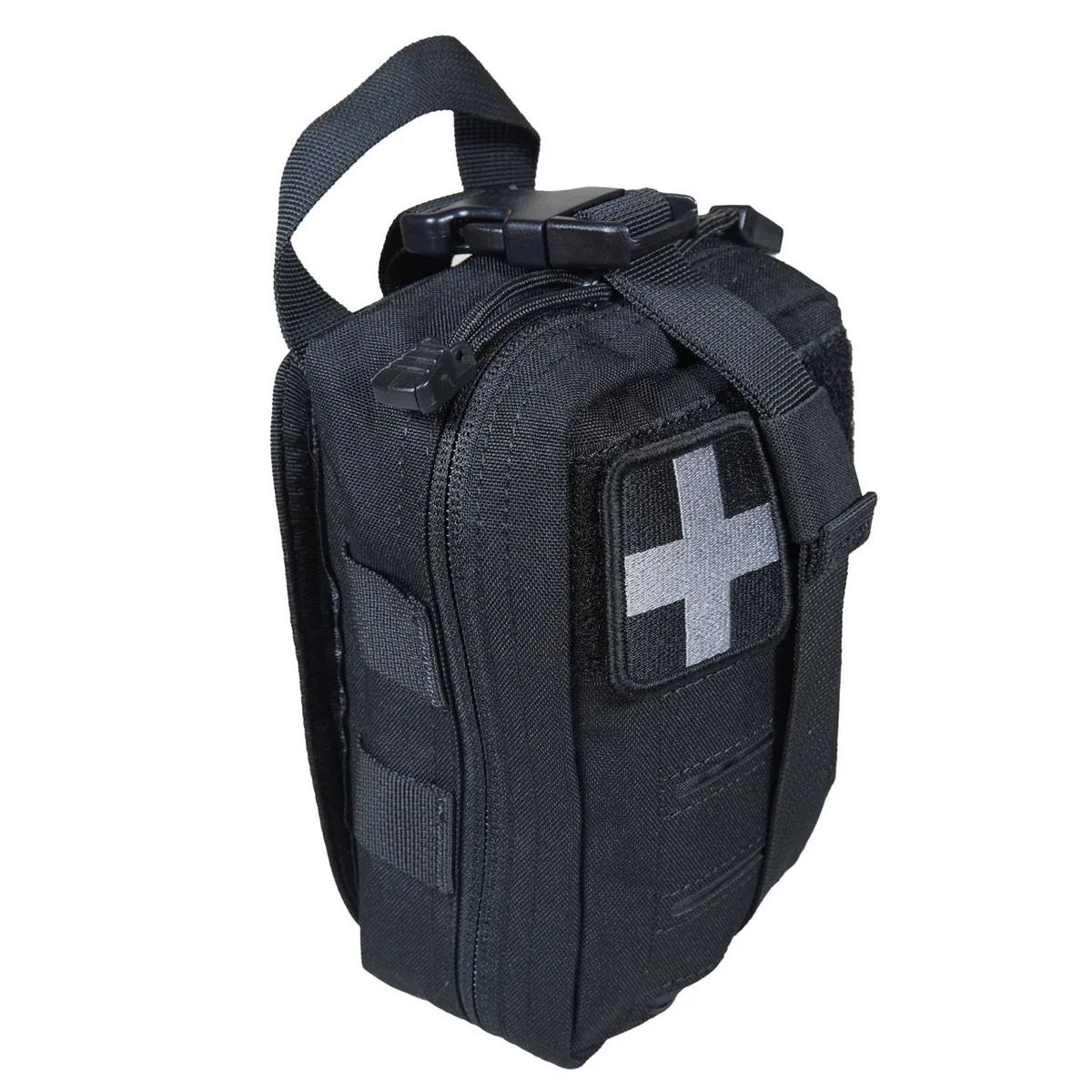
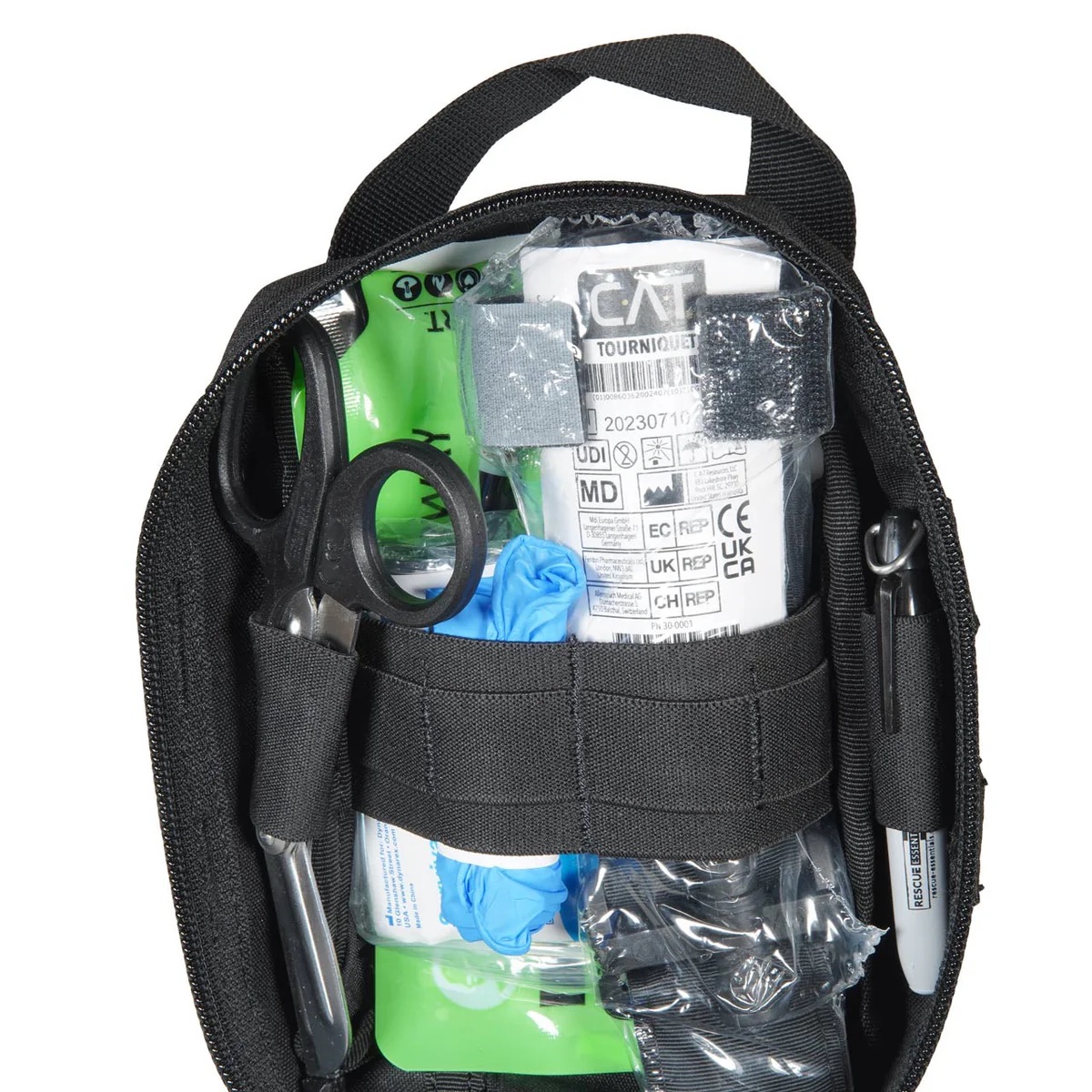
The MARCH Tactical Combat Casualty Care (TCCC) Individual First Aid Kit (IFAK) comes loaded out and ready for deployment.
TCCC is a set of best-practice guidelines developed from evidence-based studies, aimed at managing trauma in the field, especially in combat, tactical, or high-risk environments. These best practices are used by military personnel, but have also been adapted by prominent organizations such as the ACS (American College of Surgeons) and NAEMT (National Association of Emergency Medical Technicians). These standards guide law enforcement and even civilian first responder medical trainings.
Kit includes:
-
- 1 Windlass Tourniquet (CAT, SOF Tourniquet or SAM XT)
- 1 Naso Airway with lubricant, 28fr
- 1 NAR Hyfin Compact Twin Chest Seal
- 1 Compact Hypothermia Blanket
- 1 Trauma Dressing, 4″
- 2 Compressed Gauze
- 1 RE Mini Sharpie Marker
- 1 EMT Shears, 5.5″
- 1 set of Nitrile Gloves, Large
Features:
-
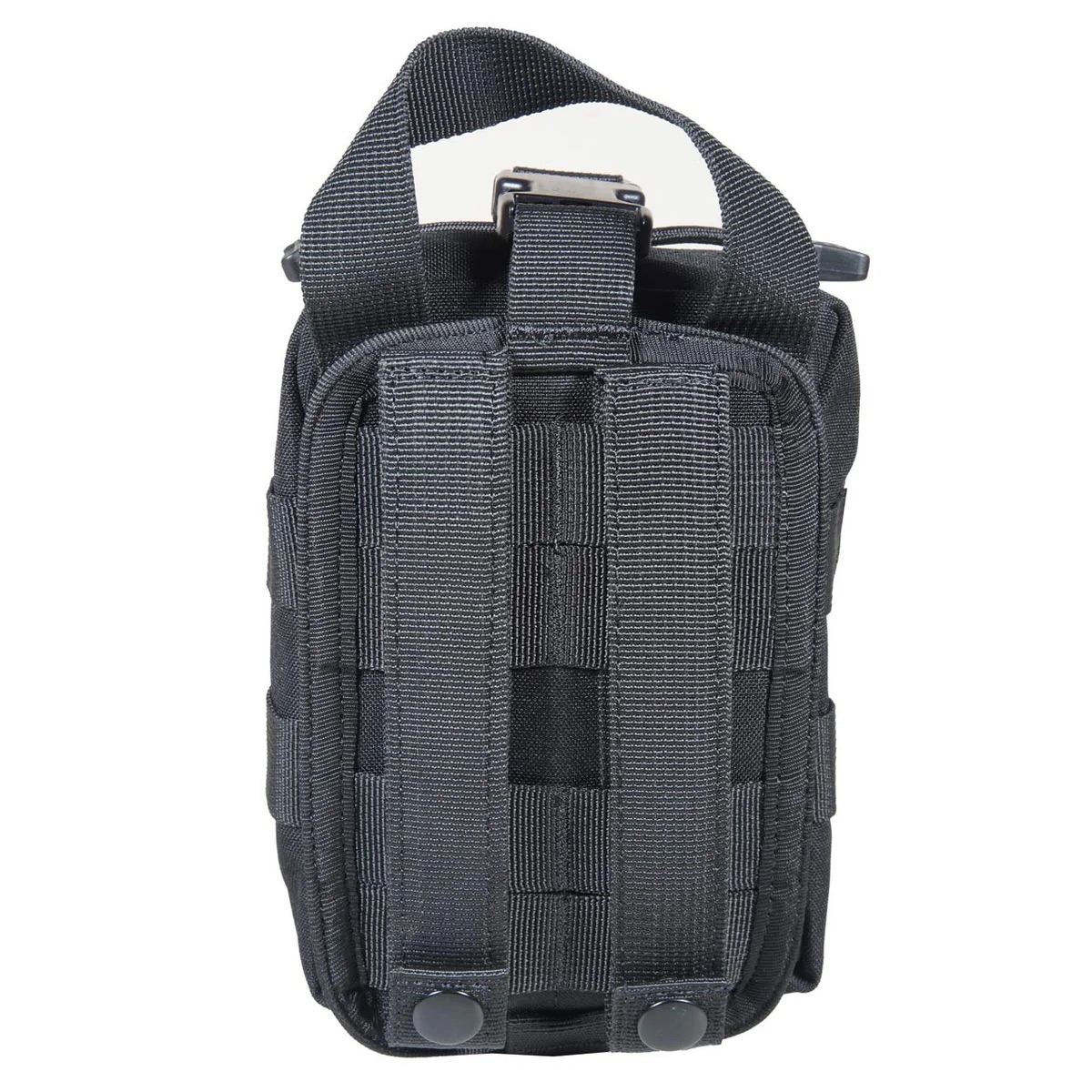
- Rip-away easy deployment design with quick-release buckle
- External laser cut MOLLE and PALS webbings for modular expansion
- Zipper closure with dual sliders
- Clam-shell pouch design
- High-vis pull tab for easy opening
- Two D-rings on the back for attaching shoulder strap(s)
- Hook-and-loop ID patch panel
- Carrying Handl
Specifications:
-
- Dimensions: 7” H × 5” W ×5” D (17.8 × 12.7 × 8.9 cm)
- Weight: 1lbs 6 oz (0.62 kg)
M.A.R.C.H.
The MARCH acronym is an easy-to-remember order of operations for treating trauma patients, helping responders prioritize what injuries to treat first.
Massive Hemorrhage – Severe bleeding can cause death very quickly. Tourniquets, hemostatic gauze, and wound packing gauze can rapidly help reduce or stop bleeding.
Airway Management – Closed airways are the second common cause of survivable deaths. Naso or oral airway devices can aid in maintaining an open airway in trauma casualties.
Respiratory – The chest cavity has a specific pressure that allows the lungs to function as intended. Chest seals and decompression needles can help restore and maintain the natural pressure needed in the chest cavity.
Circulation – Trauma patients are often in a state of shock which can require IV or IO intervention in order for circulatory systems to work properly.
Head Injury / Hypothermia – Identify and monitor for head injuries. Address hypothermia in trauma patients (hypothermia is part of the lethal triad and should be taken seriously).